
About the Client
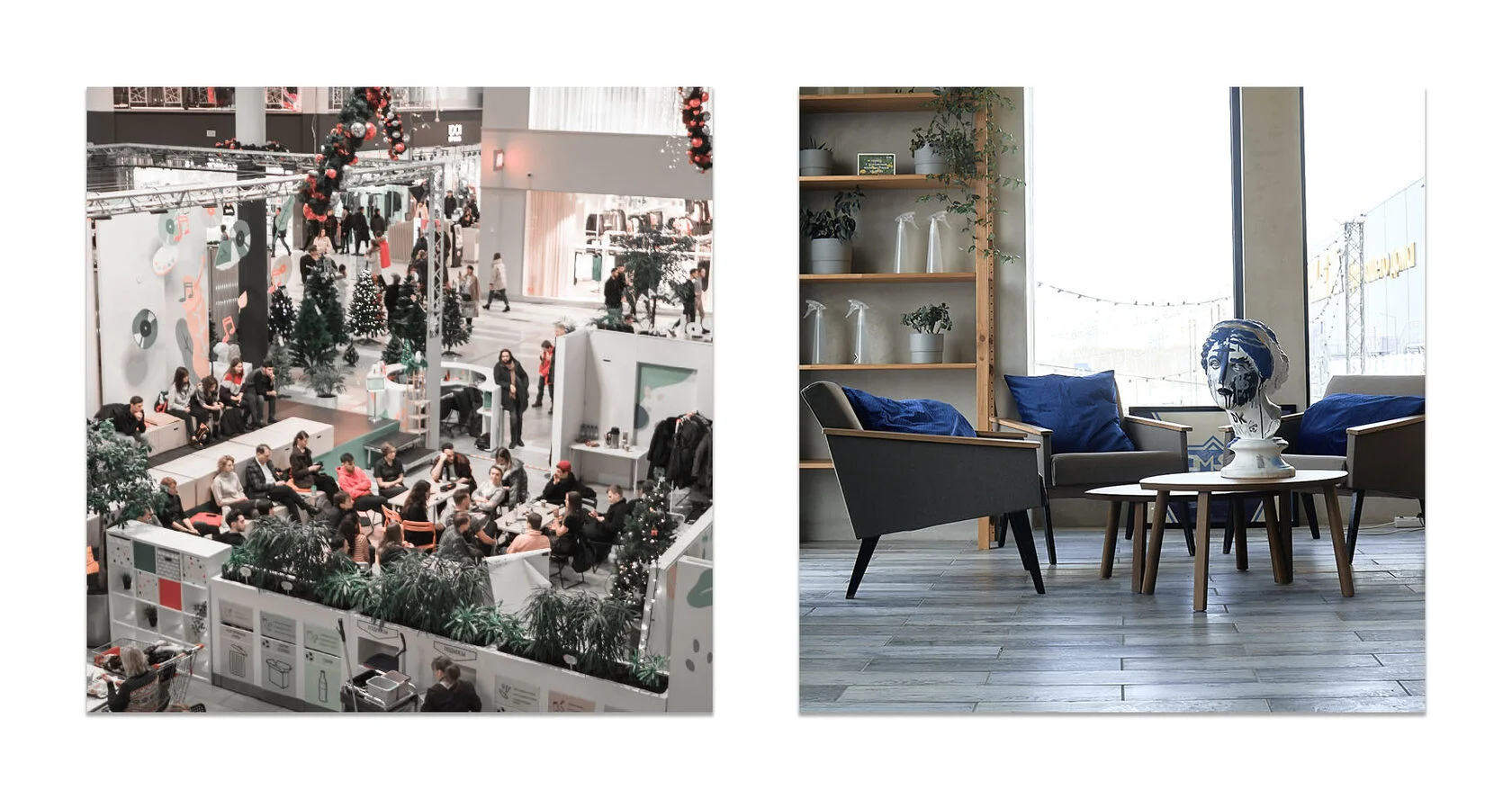
Dom Kultury (House of Culture) is a project by MEGA Omsk. It’s a creative space where people come together for workshops, training sessions, and lectures, meet up with friends, and share ideas.
The Challenge
Develop a tone of voice, manage the space’s social media accounts, and run targeted ad campaigns. The main priority was to attract a younger audience to the project.

Rethinking the Concept
By the time I joined the project, Dom Kultury had already been around for several years. It hosted workshops on making felt toys, board game nights, and lectures on fashion. But the space needed a fresh start, so a new team took over: a creative director, a community development manager, and me as head of communications. Later, we also brought in new administrators who were much more involved in the project than their predecessors.
Together, we reimagined Dom Kultury from the ground up. We identified our target audience, planned the types of content and events we wanted to create, and set the direction for the rebranding. Our goal was to make the brand feel modern, concept-driven, and a little bold. We called this approach “metamodern.”
Developed a Tone of Voice
The old tone of voice wasn’t working for anyone. It felt too generic, and the content team often relied on the same templates for different types of posts. As a result, the communication was overly formal and lacked a recognizable personality.
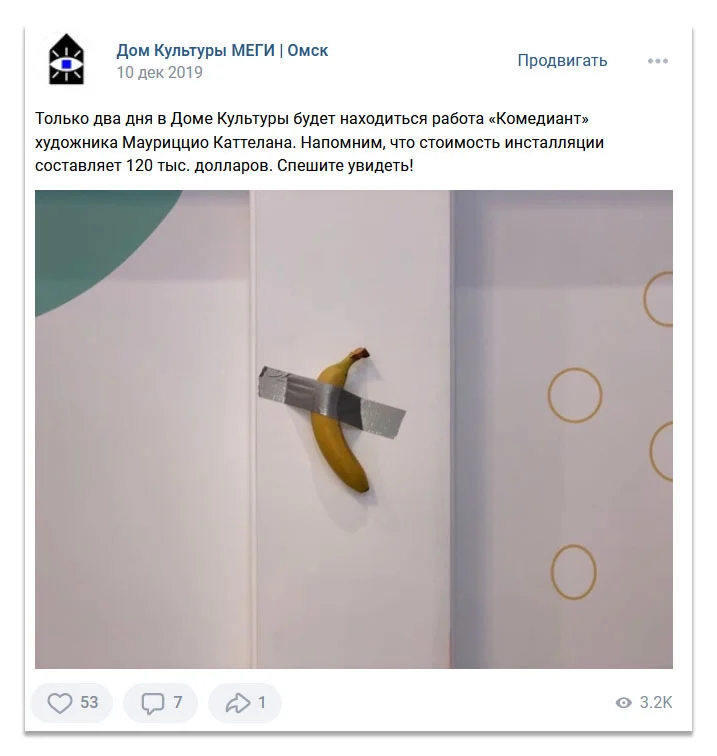
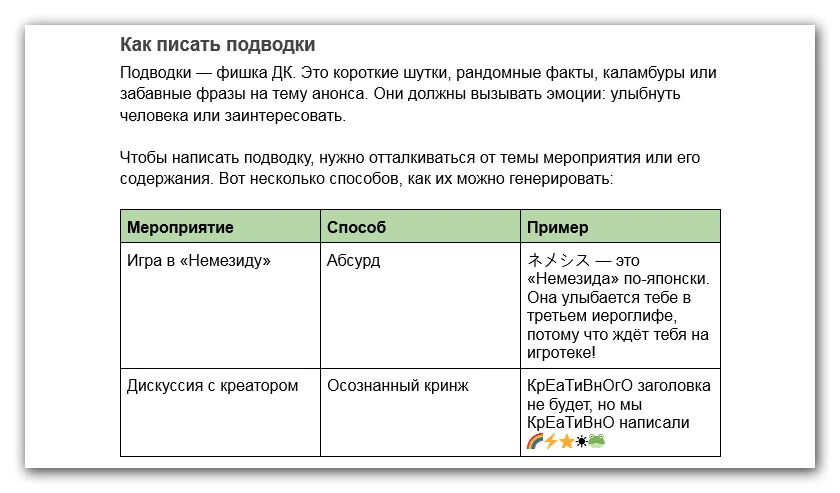
We made friendliness the foundation of our new ToV, focusing on care and respect in every interaction with the audience. We also rewrote all our content to make it clear, simple, and straight to the point. To give our posts a distinctive touch, we started opening them with jokes or interesting facts to catch people’s attention.
Built a Content Strategy
We moved from random content to a more structured approach. After developing the ToV, we created content categories, put together a content calendar, and chose our distribution channels. Spoiler: we eventually dropped both the content categories and the calendar.
Our content strategy also covered distribution. I researched and compiled a spreadsheet with contact details for editors-in-chief, editors, and journalists from most of the local media outlets. I focused on finding journalists who covered culture, so we could send them press releases about our major events.
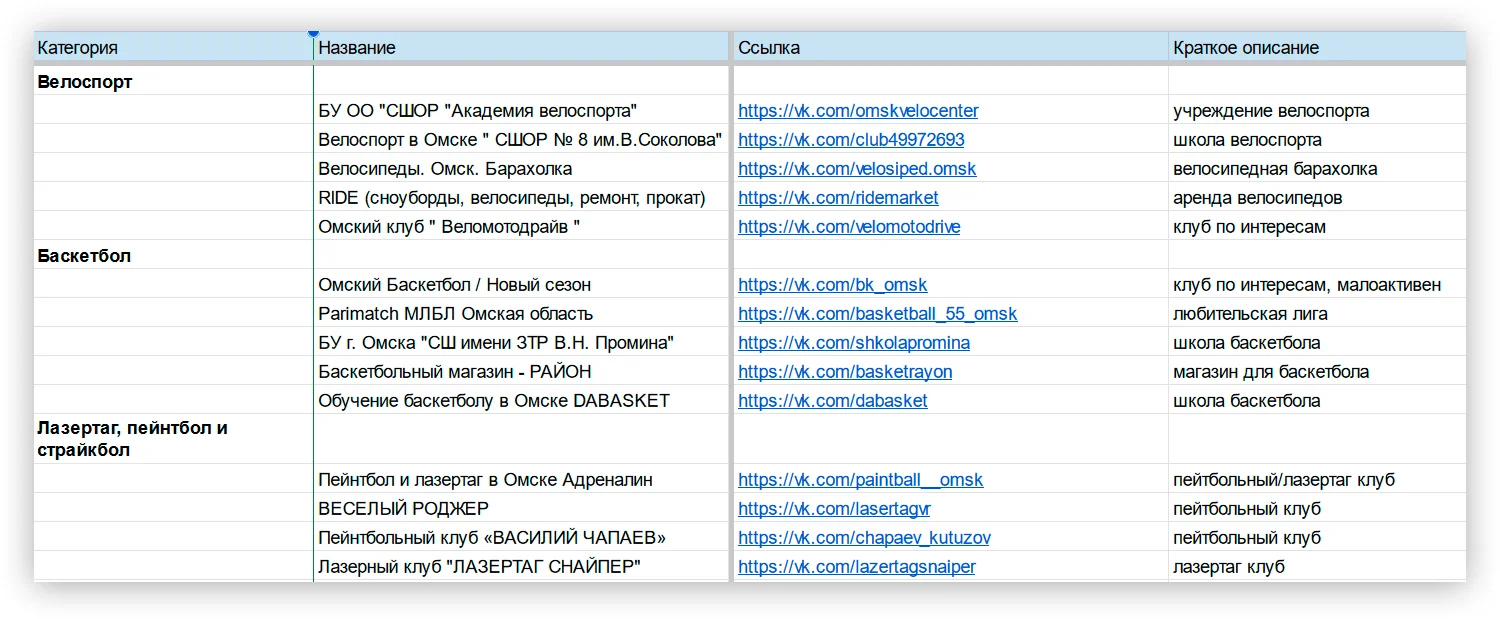
I also built a database of 750 local communities in Omsk that shared our interests. These included artists, musicians, urbanists, local activists, environmental groups, and other communities that might be interested in Dom Kultury. We invited them to our events, shared announcements through their channels, and teamed up with them on special projects.
Launched Ad Campaigns
Running targeted ads for Dom Kultury came with a challenge: campaigns had to be set up quickly and run for short periods. That’s because there was usually only a week and a half between adding an event to the schedule and the event itself. We had to work fast and be precise.
To promote events, the previous ads specialist used a simple approach: they targeted Dom Kultury’s audience and followers of local communities focused on freebies, such as “Free Omsk.” Anyone who clicked an ad was added to a retargeting audience so they could be shown ads again later.
The results weren’t great. For example, in the last campaign, targeting these freebie communities resulted in a cost per click of 61 rubles (about $0,95 in 2019).
I changed this approach. To attract people to events within a short timeframe, I built audiences based on:
Dom Kultury followers;
MEGA followers;
Friends of event speakers;
People who had recently joined relevant communities;
People who liked or reacted to posts in relevant communities;
People who followed several relevant communities at once;
Visitors to locations related to the event’s topic.
For more unusual or long-term campaigns, I came up with new solutions and used more advanced audience targeting methods. For example, I analyzed which communities people had recently joined and looked for overlaps between different audiences.
The results improved from the very first campaigns:
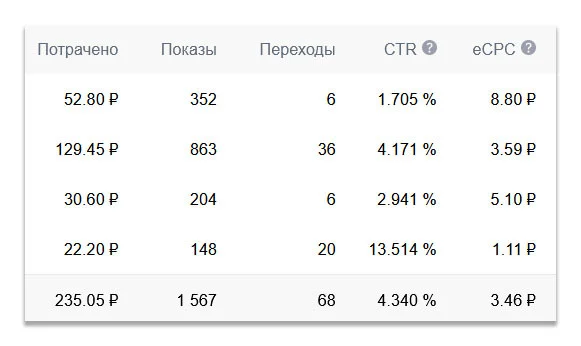
We used targeted ads to attract guests to almost all our events. It was our main channel for bringing in new audiences. Thanks to precise targeting, we kept ad costs low and filled up registration lists quickly. For example, in just 7 days, we signed up 20 teams for a charity quiz game, What? Where? When?, hosted by Boris Belozyorov. We spent only 4,700 rubles on advertising, while ticket prices started at 2,000 rubles.
Set Up Analytics
To avoid working blindly, I measured our initial performance metrics and then regularly tracked ad results and activity across our social media accounts. We used this data to figure out which types of content worked best, when to publish, and how often we needed to post.
Over time, we developed a standard reporting format together with the space’s administrators. Our reports covered the events we hosted, featured feedback from participants, tracked attendance, and summarized monthly social media performance.
Results
Attracted a Younger Audience
Over the two years I worked on the project, Dom Kultury’s VK community gained 2,000 new followers. During that time, we ran only one campaign focused on gaining followers. Everyone else came through ads promoting our events. And these weren't just passive followers — they regularly attended our lectures and workshops.
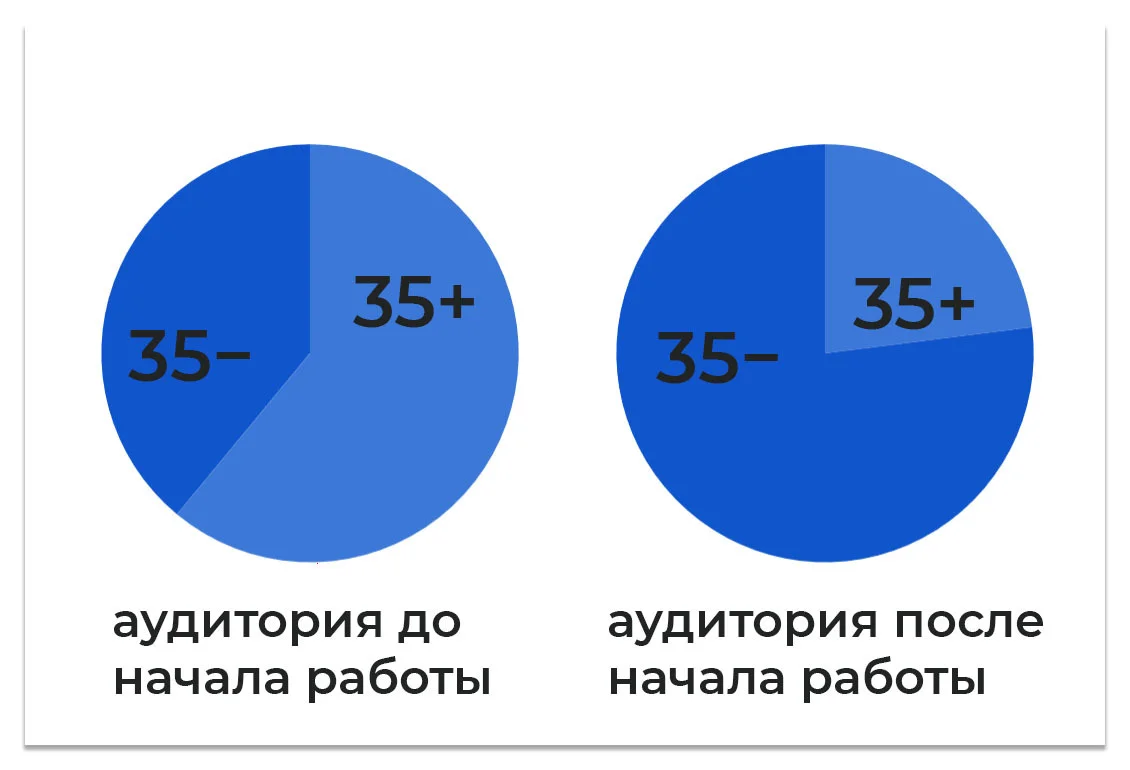
More importantly, the audience itself changed. When I joined the project, there was a major age imbalance: 61% of our followers were over 35. That wasn't a great fit for a space aimed at young people.
We changed this through targeted ads and content. Our campaigns brought in younger audiences, while older followers gradually unfollowed on their own. By June 2021, only 23% of our followers were over 35, so we stopped tracking this metric.
Boosted Engagement
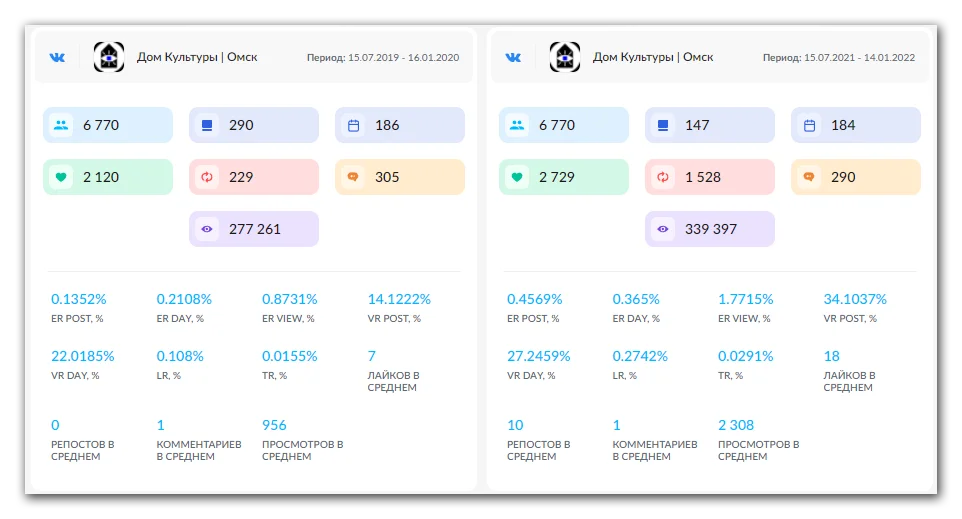
After I took over, our posts started getting more attention: people viewed them more often, left more likes and comments, and shared them more frequently.
Usually, a community has high engagement when it first launches because its most loyal followers are the first to join.
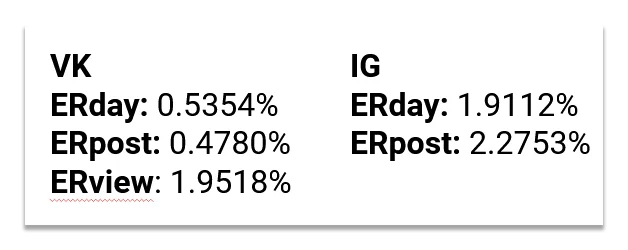
With Dom Kultury, we managed to grow both our audience and engagement. We gained 2,000 new followers, while average engagement per post increased by 3.3 times. Our engagement rate by reach and daily engagement also improved.
Shared My Knowledge with the Team
During my final month on the project, I focused on passing everything I had learned and developed on to the team. I taught them how to run targeted ads to promote events and attract new followers.
To keep the brand’s tone of voice consistent, I wrote a comprehensive editorial style guide. It included 41 sections covering everything from writing principles and style to formatting tips. For each section, I added examples of what works well and what to avoid.
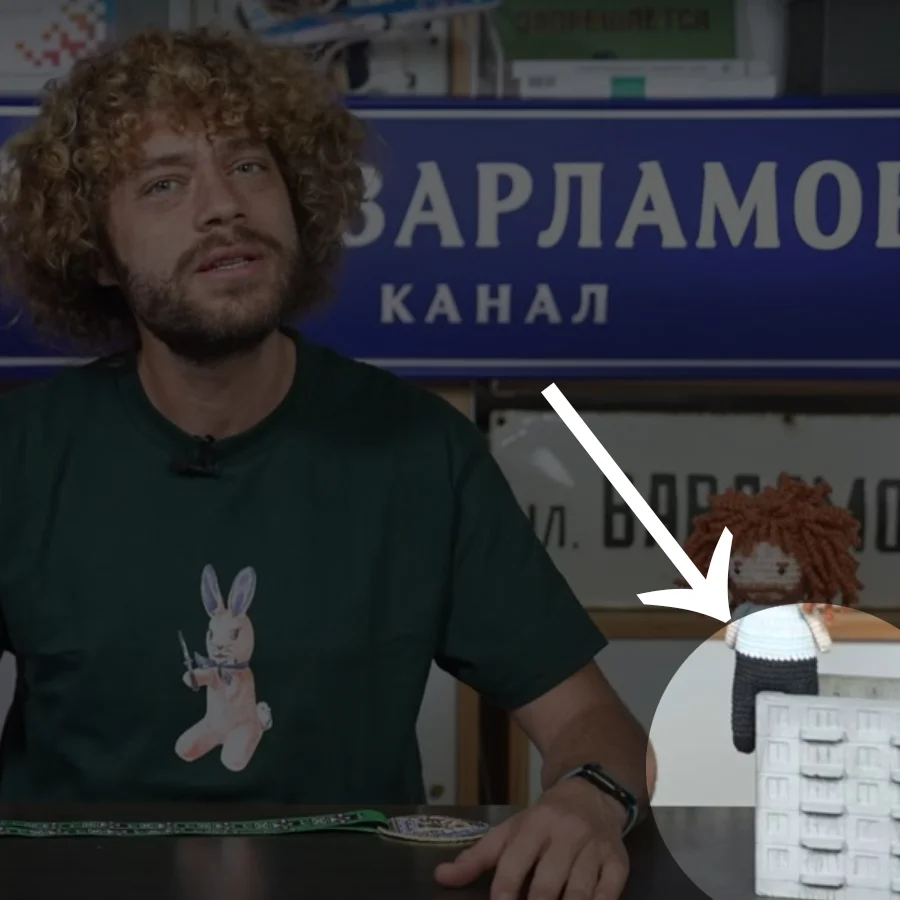
Bonus: Sold an Apartment Building to Ilya Varlamov*
Before New Year’s, we hosted an auction called “Buy It Out!” featuring local artists, designers, and makers from Omsk. One of the participants was KARMA.BETON, a brand that creates concrete accessories. They put up a planter shaped like a Soviet-style apartment building.
We decided to have a little fun and get Ilya Varlamov* involved — a well-known Russian urbanism blogger with millions of followers and one of the biggest critics of Soviet apartment blocks. Our team started tagging him in the comments, and after nine mentions, he finally placed a bid.
He ended up winning the miniature apartment building. Now it has a place of honor on his desk, regularly appearing in his news videos, What's Going On?
*Ilya Varlamov has been designated a foreign agent in Russia. I'm required to include this disclaimer under Russian law 🤷♂️